
How to Catch Yourself in Comparison (Without Shaming Yourself)
Mar 04, 2026
Most people believe that the problem with comparison is that it happens.
It isn’t.
The real problem is what we do after it happens.
We judge ourselves for comparing.
We tell ourselves we should be “more evolved.”
We try to stop the feeling instead of listening to it.
And in doing so, we add a second layer of pain on top of the first.
Comparison is not a moral failure.
It is a conditioned response.
And the work is not to eliminate it, but to meet it with awareness rather than shame.
Comparison happens before you think
By the time you notice comparison, it has often already passed through the body.
A tightening.
A subtle collapse.
A sense of urgency.
A sudden need to prove something or disappear.
This happens fast because comparison is not only mental. It is physiological.
“Comparison is not just a thought. The body contracts, and the nervous system reacts.”
Your system learned this response long before you had the words to understand it. That’s why willpower rarely works.
You cannot shame your nervous system into safety.
Why shaming yourself makes comparison stronger
Many people say things like:
- I shouldn’t compare myself.
- Why am I still like this?
- Other people don’t struggle with this.
But shame reinforces the original wound.
If comparison already carries the message I’m not enough, then self-judgment confirms it.
The nervous system hears:
You are wrong for feeling what you feel.
And the pattern tightens.
Awareness, on the other hand, creates space.

The first step: noticing the body, not the story
Before trying to change anything, the first invitation is simple.
Notice where comparison lives in your body.
For some people it’s the belly.
For others, the chest, the throat, the shoulders, or the jaw.
This matters because the body remembers before the mind explains.
“Just by recognizing the tension in the body, something already starts to relax.”
You don’t need to understand the whole story. Presence is enough.
Step two: name it gently
Once you notice the sensation, name what is happening.
Not dramatically.
Not aloud if you don’t want to.
Just internally.
I’m comparing myself right now.
This naming is powerful because it separates you from the pattern.
You are not comparison.
You are witnessing comparison.
“You are not the mask. You learned the mask.”
Naming brings you back into choice.
Step three: identify the mask, not the flaw
Comparison usually activates a familiar mask.
For many people, it’s false confidence.
For others, indifference.
For others, withdrawal or perfectionism.
Instead of asking what’s wrong with me?, ask:
Which mask just showed up?
“These masks were created to protect you when you didn’t feel safe.”
Seeing the mask as protection changes everything.
Protection deserves gratitude, not punishment.
Step four: pause before acting
Comparison pushes us toward action.
Scrolling more.
Talking ourselves down.
Competing silently.
Withdrawing emotionally.
The most radical thing you can do is pause.
One breath is enough.
That pause interrupts the automatic loop between sensation and reaction.
It allows the nervous system to settle just enough for awareness to return.
Step five: ask one honest question
After the pause, you don’t need a solution.
You need honesty.
Ask yourself one of these questions:
- What am I feeling right now?
- What do I actually need in this moment?
- What feels unsafe inside me?
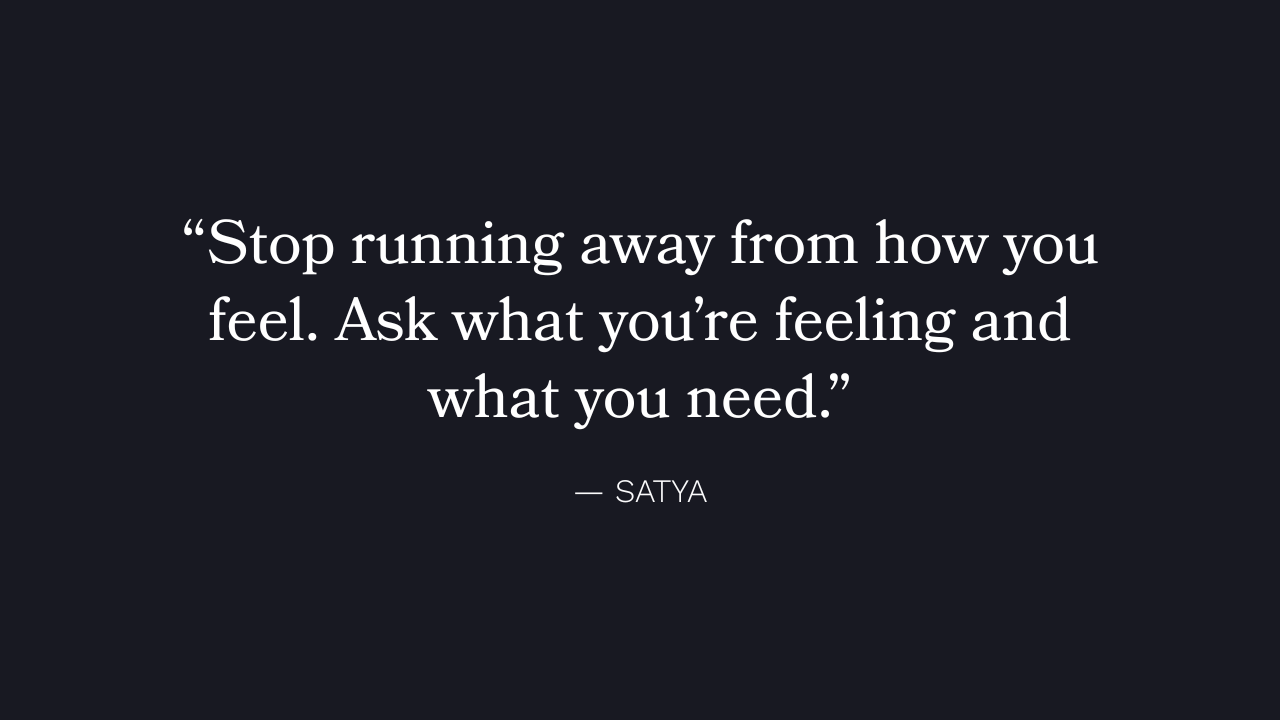
This shifts the focus from self-improvement to self-connection.
When you can’t do it differently yet
Sometimes awareness does not lead to immediate change.
And that’s okay.
There will be moments where you recognize the pattern and still choose the mask. Not because you failed, but because it still feels safer.
“Sometimes the mask is still saving you.”
Growth is not about forcing change before the system is ready.
It is about staying honest with where you are.
Why small moments matter more than big breakthroughs
Many people wait for a big transformation.
But nervous systems change through repetition, not intensity.
- Each time you notice comparison without shaming yourself, something rewires.
- Each time you pause instead of reacting, trust grows.
- Each time you choose honesty over performance, the body learns a new language.
This is how safety is built from the inside.
What happens when you stop judging comparison
When shame leaves, curiosity enters.
Instead of Why am I like this?, you may start asking:
What is this trying to show me?
Comparison often points to longing.
Not greed. Not jealousy. Longing.
A desire to express something that hasn’t been lived yet.
Seen this way, comparison becomes information, not condemnation.
A daily practice you can actually sustain
You don’t need an hour of reflection.
You need two minutes of presence.
Once a day, pause and ask:
- Where did I compare today?
- What did I feel in my body?
- Which mask appeared?
- What did I need in that moment?
No fixing. No analysis. Just noticing.
This is enough to begin.
A gentle closing
Comparison will visit you again.
Not because you’re doing something wrong.
But because you are human.
What changes everything is not whether comparison appears, but whether you abandon yourself when it does.
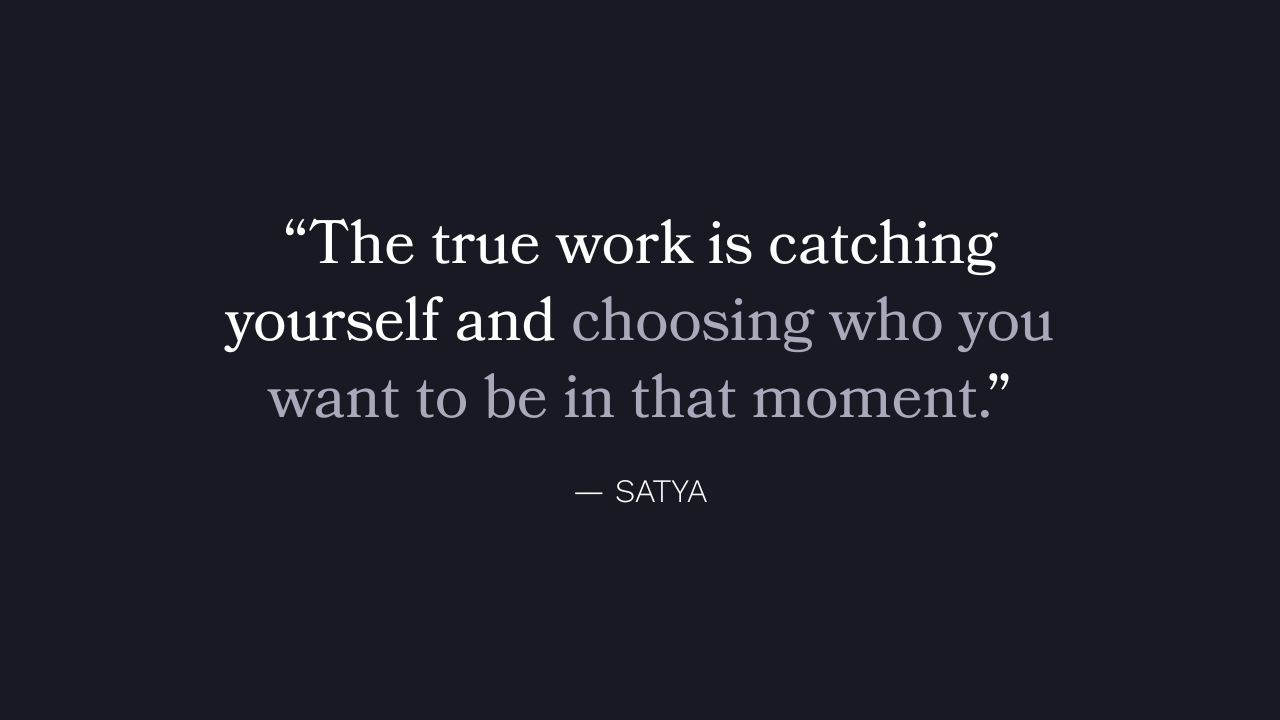
That choice begins with kindness.
Not toward an ideal version of yourself.
But toward the one who is here now.
Stay connected with news and updates!
Join our mailing list to receive the latest news and updates from our team.
Don't worry, your information will not be shared.
